


What You Need to Know About Fluid Changes
When you start your Toyota and pull out of the driveway, you probably aren’t thinking about what fluid changes your vehicle should have and whether it is time to think about searching for “Toyota service near me.” All too often, we take our vehicles for granted, especially when they are high-quality vehicles like Toyotas. Unless something goes wrong, drivers often hop into the seat without thinking about all the moving parts in a vehicle, each one performing a duty to make sure the vehicle runs the way it should. If you own a Toyota, you know your vehicle will last for years and years, but it will get a much longer life if you keep up with regular maintenance. Among the most important parts of that maintenance is checking the fluids and replenishing or replacing them on schedule.
What Fluids Need to Be Changed?
Most people realize oil needs to be changed or refilled regularly, but many car owners don’t think about the numerous types of lubricants or fluids that keep all the parts of your vehicle running smoothly. With so many moving parts under the hood and chassis, there are complex systems at work. Your brakes, transmission, and radiator are just a few of the systems in your vehicle that require regular fluid inspection and replacement for optimal functioning. If you own a vehicle with an all-wheel or four-wheel drive, the transfer case requires regular fluid checks to function properly.
Many vehicle owners are aware that the transmission is an expensive part to replace, often costing thousands of dollars. Regularly checking the fluid in your Toyota’s transmission will reveal whether or not it will keep the transmission running as it should. When needed, the transmission should be flushed and refilled with fresh fluid. Brakes also require additional fluids on occasion since the fluid can mix with water when temperatures change and cause condensation. Finally, your radiator keeps your engine system cool, but the coolant can get mixed with rust or corrosives over time. It requires a flush and replacement regularly to keep the thermostat and water pump in good working order.
Why Do I Need to Replace or Replenish Fluids?
Over time, fluids can burn off, become contaminated with debris or water, or grow thicker. When this happens, the fluid no longer does its job as readily as when it’s fresh. Think about the water you use to clean dishes. At first, it’s clear and bubbly. After washing loads of dishes, especially when you wash greasy pans, the water gets dirtier and dirtier. Eventually, you need to change the water if you want to get the dishes clean. It’s the same with fluids in your vehicle. Some drivers see fluid changes or replenishment as a hassle or an expense they can’t afford, but not keeping up with this critical aspect of maintenance can mean serious consequences over time. It is far more expensive to replace parts that have been irreparably damaged from lack of proper fluid than it is to get your fluids regularly serviced.
Brake fluid that gets too diluted with water will also reduce stopping performance, which means your brakes will take a longer distance to stop. It goes without saying that having good brakes can save your life or the life of someone else when you need to stop quickly. Transmission fluid keeps the gears shifting evenly and maintains appropriate temperatures. City drivers who experience a lot of start and stop traffic will find that fluid degenerates and dissipates more rapidly. Without the right amount of fluid, or with fluid that has gotten old, the transmission can fail. Gears could seize or slip, and replacement is far more expensive than occasional fluid flushing and replacement.
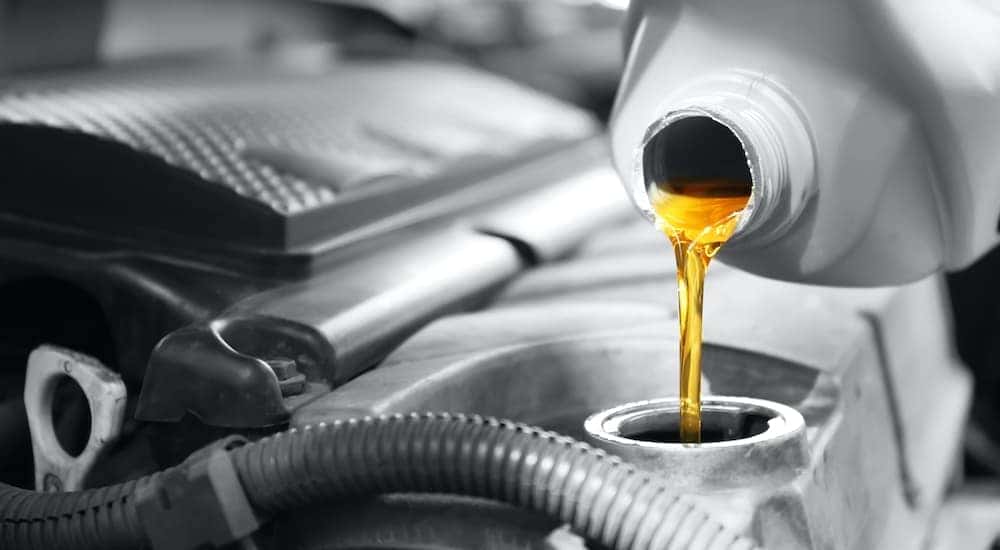
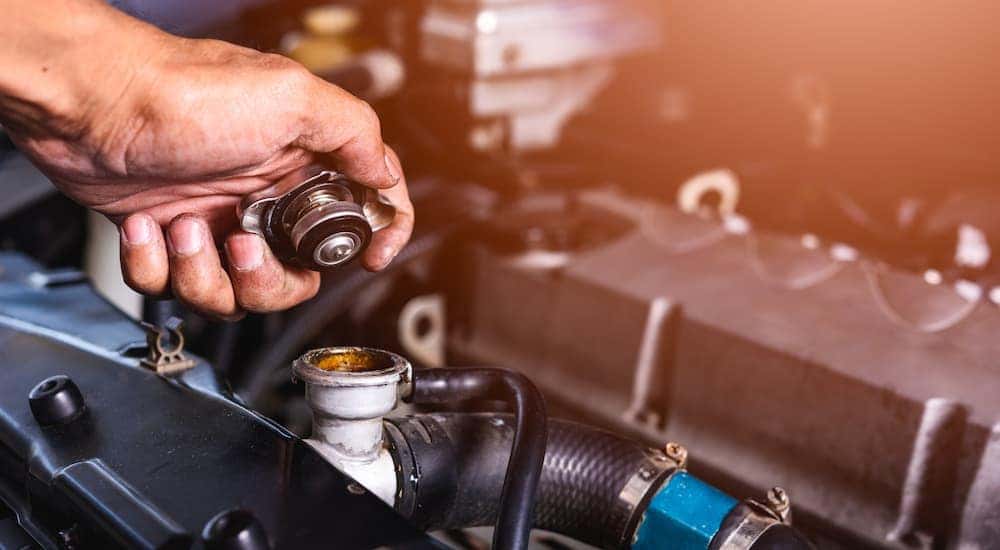
Radiator coolant keeps the engine from overheating and needs to be checked to ensure the fluid remains at the right levels for proper engine function. An overheated engine is serious and can even cause damage that requires replacing the engine. Coolant leaks are just one of the reasons radiator fluid levels are not high enough, and regular checks will prevent very expensive engine repairs. Oil changes are commonly understood as necessary, though the reasons why may not be clear. Oil can become thick over time and can cause sticky build-up in the engine as it ages. Changing the oil prevents this problem from accumulating and making your engine work too hard, which shortens the engine’s life. Not enough oil can also cause an engine to run too hot, creating other problems.
Transfer case fluid needs to have the levels and quality checked regularly to avoid failure. Vehicles with either four-wheel or all-wheel drive can generate significant heat in the transfer case or center differential, so this fluid is necessary to maintain your driving performance. If you do not use four-wheel drive often, that can also lead to issues, so you should always make sure to have your four-wheel drive system regularly serviced at your Toyota dealer.
How Often Should I Have Fluids Checked?
Each fluid in a Toyota vehicle has a regular maintenance schedule designed by the engineers at Toyota. Generally, Toyota recommends a regular inspection every six months or 5,000 miles, and the technicians at the Toyota service center near you will keep track of the fluid levels and schedule at each visit. However, the timing of maintenance can be affected by each individual vehicle, an owner’s driving habits, and the type of fluids that are used. If you keep up with the regular schedule, you can be sure the fluids will be checked and replaced when needed. Toyota service centers keep careful records of services performed, so you won’t need to worry about missing services.
How Toyota Fluids Are Protecting Your Vehicle
Many of the fluids we use in our vehicles are corrosive or hazardous, and Toyota has made strides to reduce the impact of how these fluids can damage a vehicle’s parts over time. All Toyota products have been specially formulated to work with Toyota vehicles and can protect your investment. When you visit a Toyota Care center, you will have the option of using these high-quality products, which will keep your vehicle running longer and are safer for your vehicle overall.
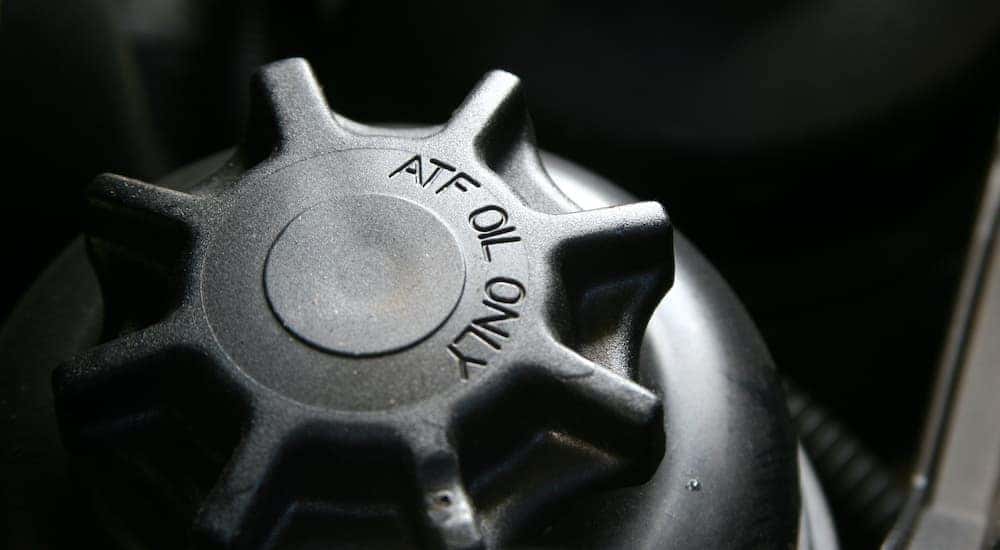
Toyota has several products which optimize the functioning of their vehicles, such as a specialized antifreeze that is made without abrasive silicates. It’s formulated to prevent corrosion and clogging in the radiator, a common issue with off-brand antifreeze. Automatic transmission fluid made by Toyota can help extend the life of a transmission with superior lubrication quality that is less likely to foam or oxidate, two common reasons why transmissions fail. Brake fluid available through a Toyota service center does heavy-duty work and can handle the high temperatures of hard braking, especially at high speeds. It provides an extra measure of safety for maintaining brake functions.
Schedule Service Regularly
Toyota recommends service visits every six months or 5,000 miles to ensure your vehicle is regularly inspected for its safety and protection, and every Toyota dealership can help remind you when it’s time for a vehicle check-up so you won’t forget. It’s important to maintain the fluid levels and quality in your vehicles, and doing so will keep your Toyota running for many years. Following recommended maintenance schedules keeps your vehicle in the best running condition, so all the moving parts are working in top condition.
Buyers of new Toyota vehicles have standard ToyotaCare, which covers two years or 25,000 miles of regular maintenance visits at no cost. Toyota cares about the safety of its vehicles, and anyone with a new Toyota is encouraged to take advantage of this program. Remember that regular maintenance is more than just oil changes and tire rotations and will keep your vehicle running longer and performing better. Toyota vehicles are built to last a long time, but protecting your investment with regular fluid inspections and replacements is just as important as replacing a broken headlight or muffler.
0 comment(s) so far on What You Need to Know About Fluid Changes